Four ways to brew the morning.
The Spring 2026 harvest.

N° 01 · Tasting Notes
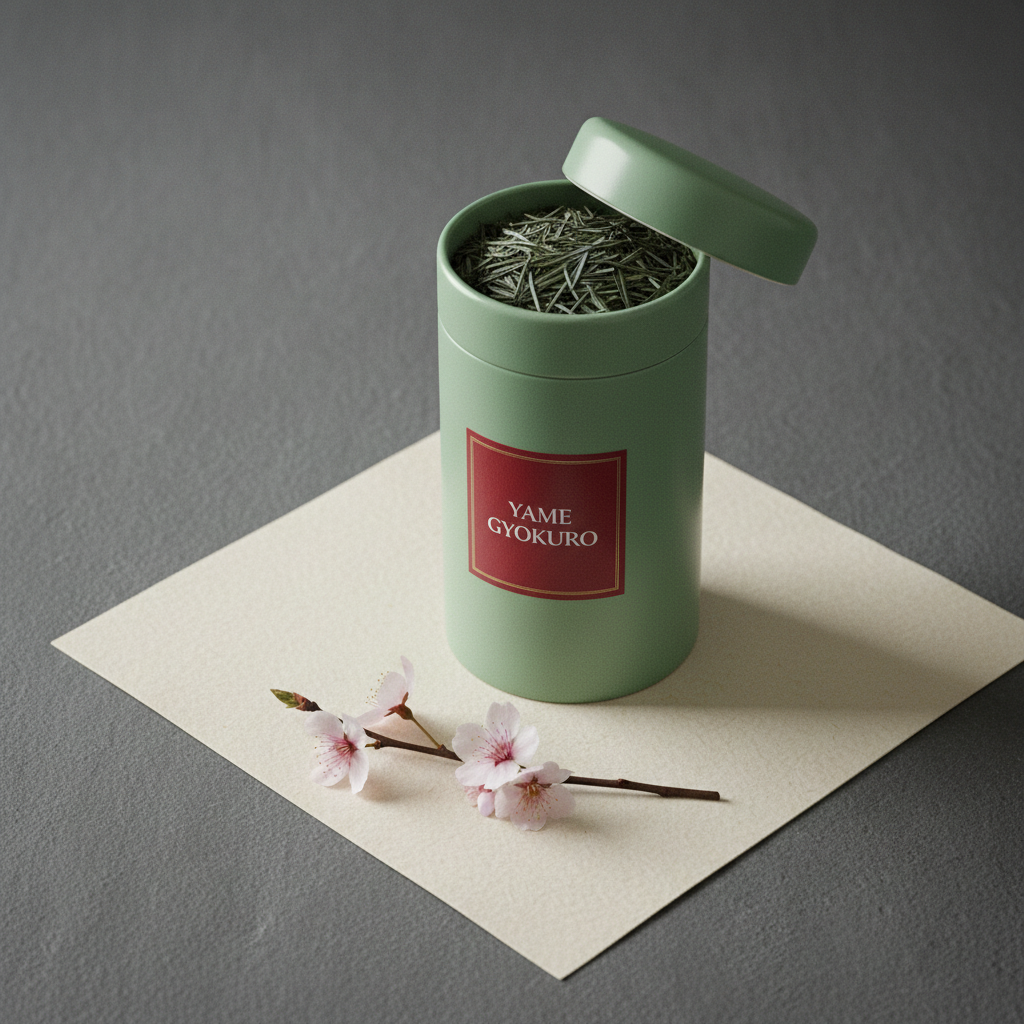
Umami broth, sweet seaweed, a long mineral finish. Shade-grown twenty days.
Steep · 60°C2 min
N° 01
Yame Gyokuro
First Flush 2026
¥4,200 / 50g
Add →
N° 02 · Tasting Notes
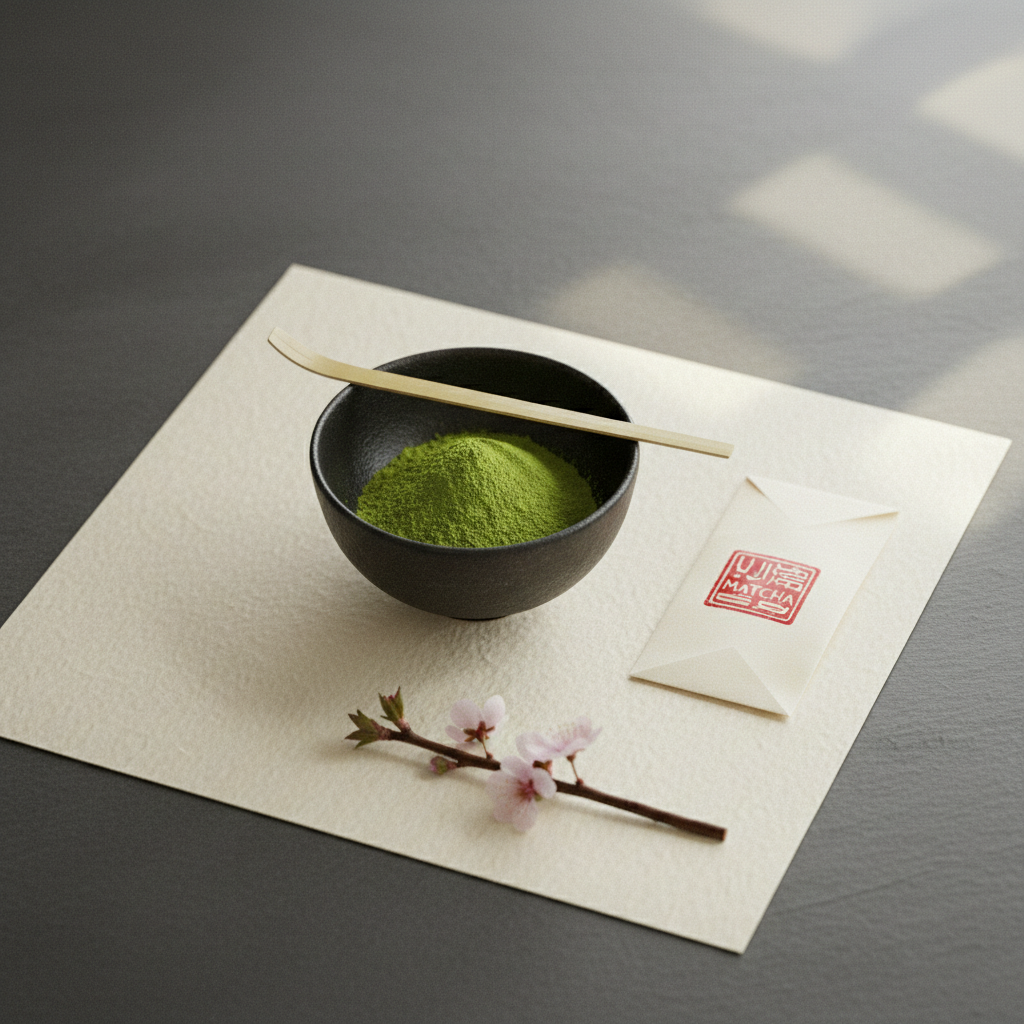
Grassy, vegetal, a clean astringency that lifts into citrus on the second cup.
Steep · 70°C90 sec
N° 02
Uji Matcha
Ceremonial Grade
¥5,800 / 30g
Add →

N° 03 · Tasting Notes
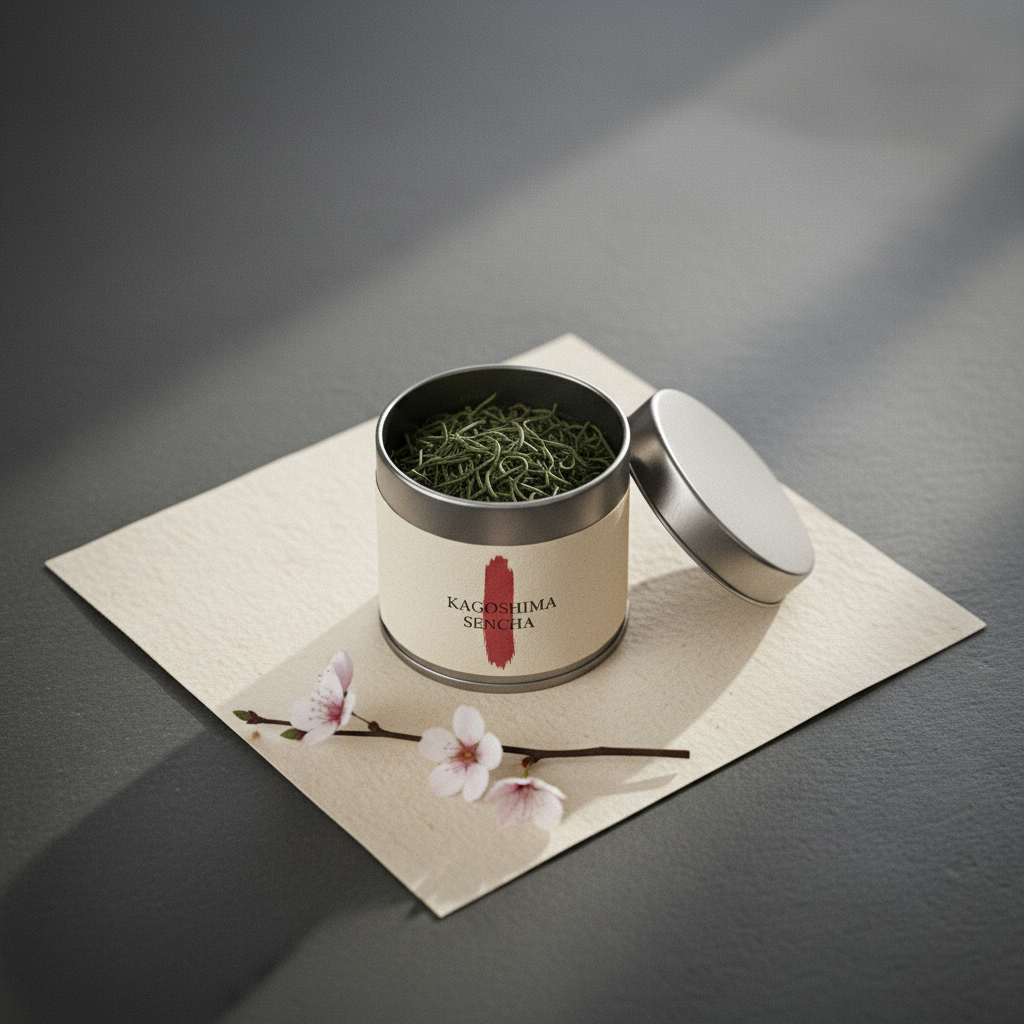
Roasted chestnut, cedar smoke, low caffeine — a tea for evenings.
Steep · 90°C45 sec
N° 03
Kagoshima Sencha
Spring Harvest
¥3,400 / 80g
Add →

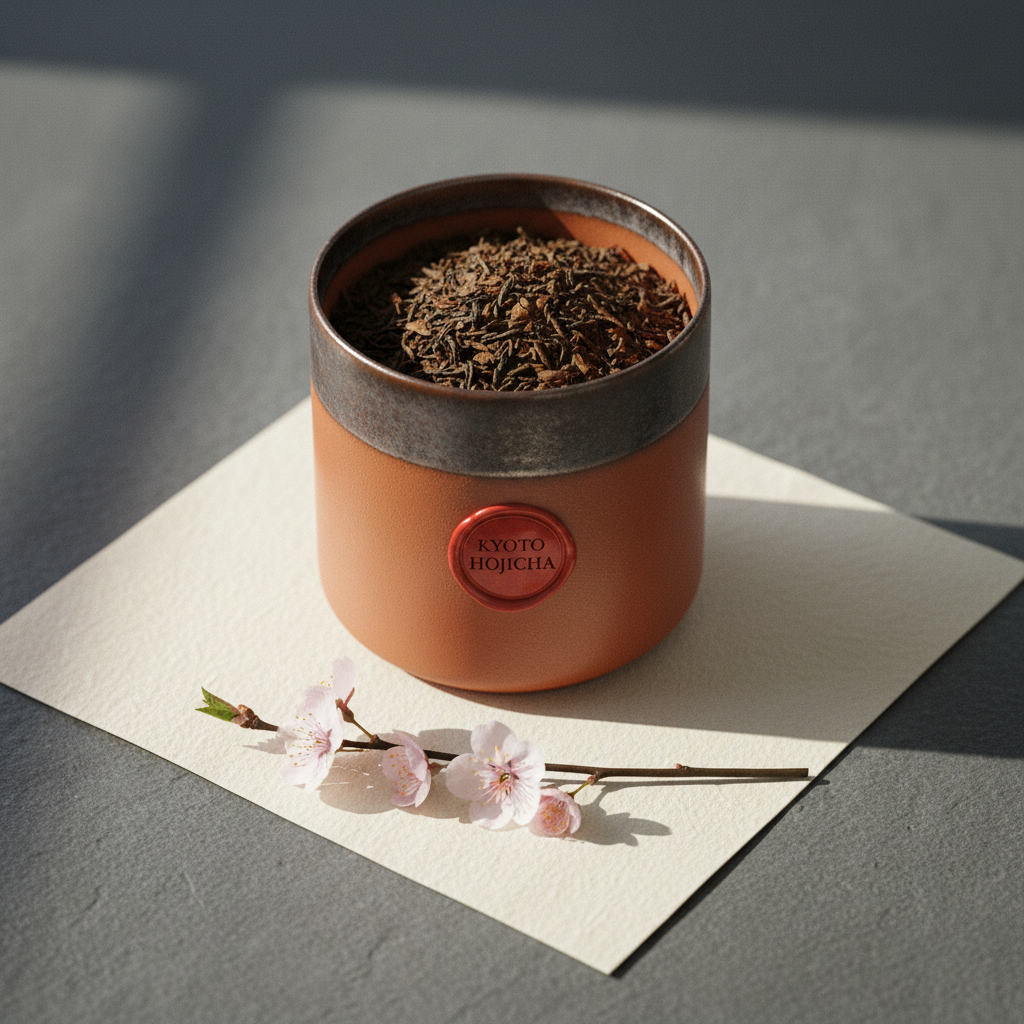
N° 04 · Tasting Notes
Toasted barley, warm caramel, a quiet sweetness — drink it after dinner.
Steep · 95°C30 sec
N° 04
Kyoto Hojicha
Roasted
¥2,800 / 100g
Add →

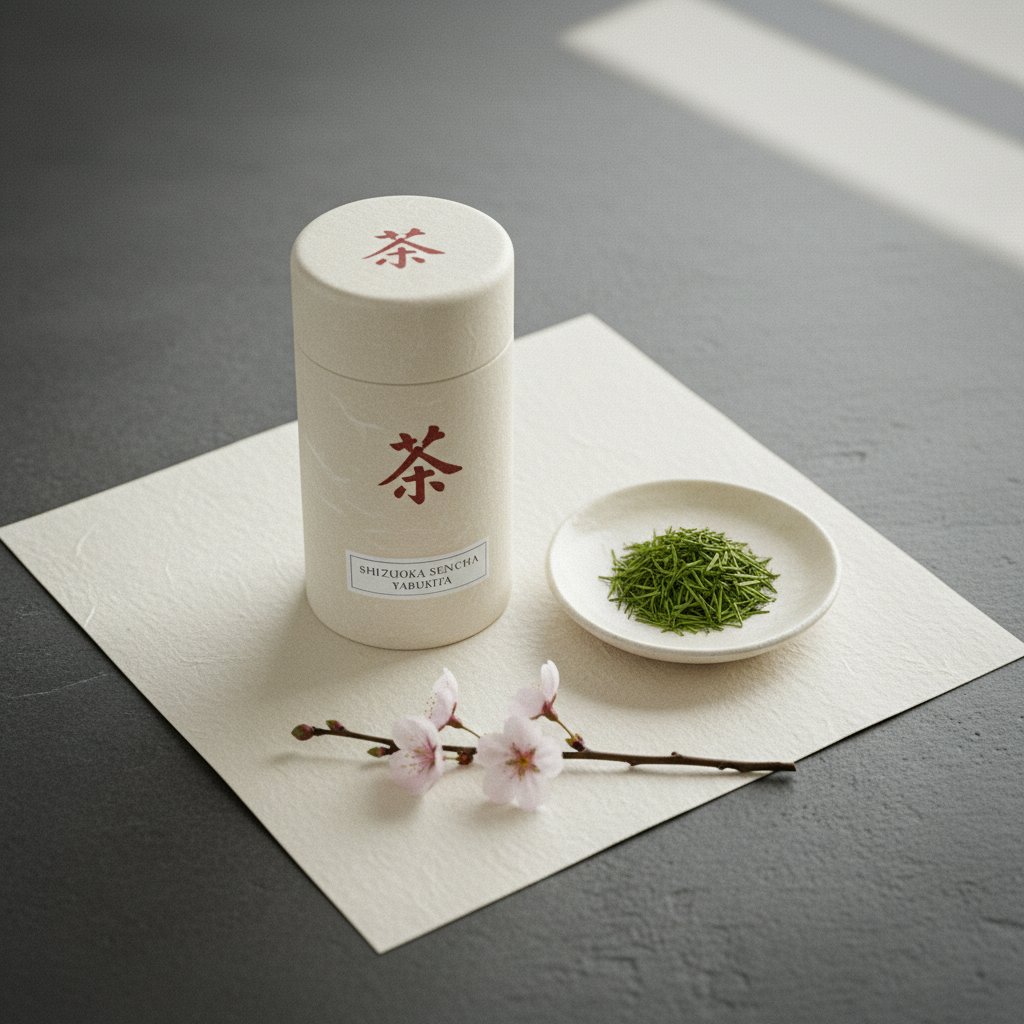
N° 05 · Tasting Notes
A single yabukita cultivar — bright, savoury, a long marine finish.
Steep · 70°C90 sec
N° 05
Shizuoka Sencha
Single Cultivar
¥3,800 / 80g
Add →

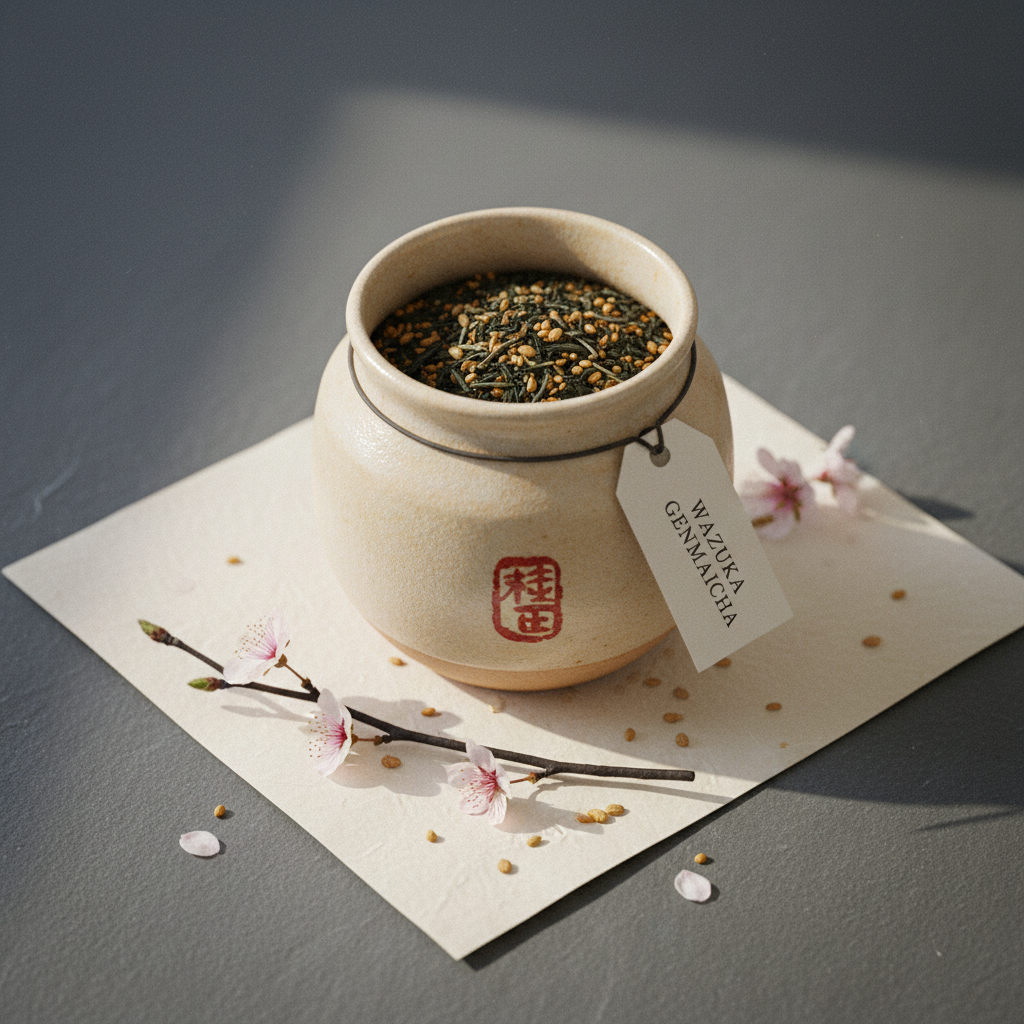
N° 06 · Tasting Notes
Sencha leaf folded with toasted rice — bright, popcorn-sweet, comforting.
Steep · 80°C60 sec
N° 06
Wazuka Genmaicha
Autumn
¥2,200 / 100g
Add →
§ 03 — Lineage
The Fourth
The Fourth
Generation.
The Watanabe tea house has been kept in the same Kyoto alley since 1924. Tatsuo, then Sumiko, then Kenji — and now Aiko, the great-granddaughter who returned from Tokyo with a single intention: to send these teas, slowly, to the people who treat the morning as ritual.
Every tin leaves Kyoto by post on Tuesdays. The almanac is printed once a season. Nothing else is rushed.
IV
Generations · since 1924
Kept by Aiko Watanabe, 2026
From the journal.
On Brewing Temperature
Why 60°C is the difference between umami and bitterness — and the small ceremony of cooling water in a yuzamashi.
Read essay →Why First Flush Matters
Eighty-eight nights after risshun, the leaves carry the entire winter. A note on the Yame fields, in spring.
Read essay →Tea & Time
Aiko on inheriting the shop, on patience, and on what survives when nothing in a craft is hurried.
Read essay →